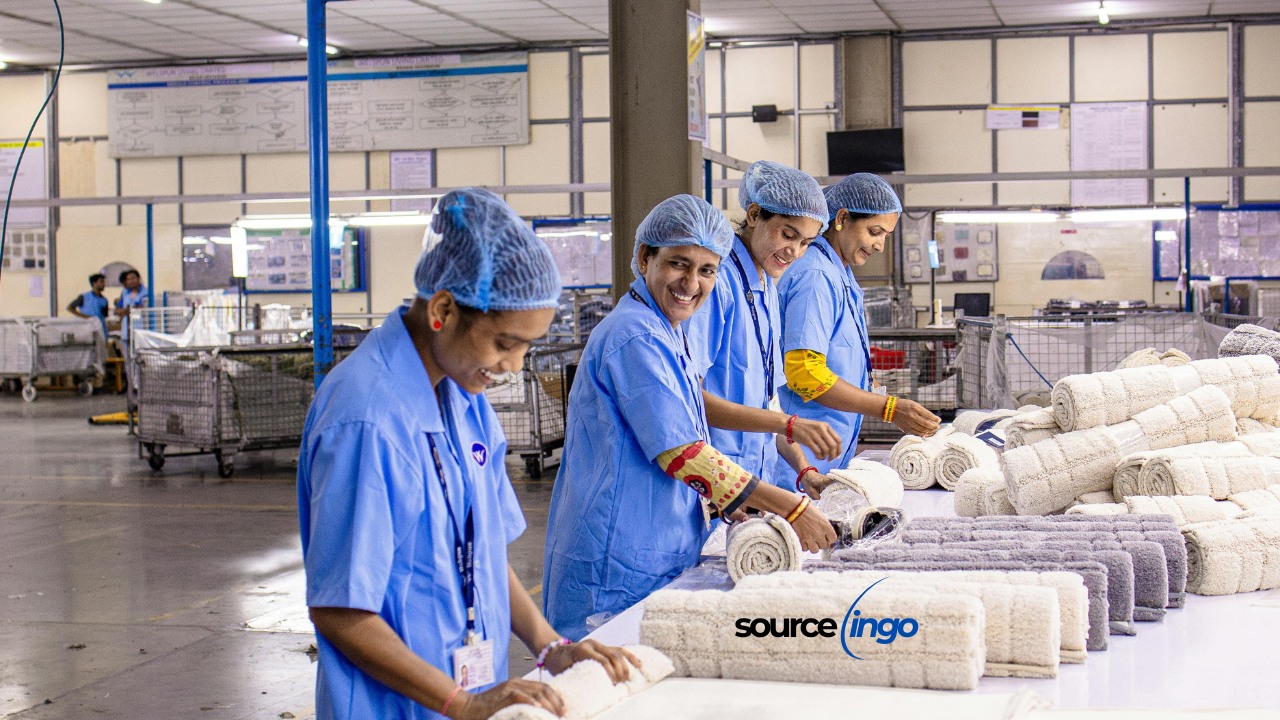
Manufacturing depends on precision. Every production schedule, safety briefing, quality inspection, and operating procedure relies on one thing: clear communication.
As manufacturers expand into new markets and build increasingly diverse workforces, language differences have become part of everyday operations. Yet many companies continue to underestimate how much those communication gaps cost.
Language barriers don’t only affect conversations. They influence workplace safety, productivity, quality control, employee retention, and customer relationships. For manufacturers competing in a global market, investing in professional language services is no longer just a support function. It’s a business decision.
Communication Is a Safety Issue
Manufacturing environments leave little room for misunderstanding.
Employees need to understand machine operating procedures, lockout/tagout instructions, emergency protocols, chemical handling requirements, and personal protective equipment (PPE) guidelines. When workers cannot fully understand safety instructions, the risk of errors increases.
The Occupational Safety and Health Administration (OSHA) requires employers to provide safety training in a language and vocabulary that employees can understand. Companies cannot simply distribute English-language materials if employees are unable to comprehend them.
Professional interpreters can help manufacturers communicate critical safety information during onboarding, safety meetings, investigations, audits, and emergency situations, helping ensure every employee receives the same message.
Small Misunderstandings Can Lead to Expensive Mistakes
Not every communication breakdown results in an accident. More often, the costs appear gradually:
- An employee misunderstands a production change.
- A maintenance technician receives incomplete instructions.
- A supervisor assumes everyone understands a process update.
These small misunderstandings can lead to:
- Production delays
- Product defects
- Equipment downtime
- Material waste
- Rework
- Missed deadlines
Over time, these issues affect profitability just as much as visible operational problems.
A recent industry survey found that 86% of respondents believe language barriers reduce workplace productivity, with many estimating measurable financial losses tied to communication issues.
Supporting a Diverse Workforce
Manufacturing has become increasingly multilingual. Many facilities employ workers who speak Spanish, Vietnamese, Mandarin, Portuguese, Haitian Creole, Arabic, and dozens of other languages. These employees bring valuable skills and experience, but they should not be expected to perform complex tasks in a language they are still learning.
Companies that invest in multilingual communication often see stronger employee engagement because workers feel informed, respected, and included. Providing language access demonstrates that every employee deserves the same opportunity to understand expectations, ask questions, and work safely.
Quality Depends on Clear Communication
Whether employees are following standard operating procedures, documenting inspections, or responding to nonconforming products, everyone must understand the same instructions.
Miscommunication can affect:
- Product consistency
- Inspection accuracy
- Regulatory documentation
- Customer specifications
- Corrective actions
Professional interpreters help manufacturers communicate accurately during technical meetings, customer visits, supplier discussions, and quality audits where precision matters.
Language Access Supports Compliance
Manufacturers operate in highly regulated industries where documentation and communication are closely monitored. Whether preparing for an OSHA inspection, conducting safety training, implementing new procedures, or onboarding employees, organizations need confidence that important information is understood by every member of the workforce.
Language access supports compliance by reducing misunderstandings and creating more consistent communication across departments.
For multinational manufacturers, professional interpretation also helps facilitate communication with overseas suppliers, customers, auditors, and business partners.
Why Professional Interpreters Matter
While bilingual staff can be an asset, interpreting requires specialized skills. Professional interpreters are trained to communicate accurately and impartially. They understand how to interpret technical terminology without adding, omitting, or changing information. This is especially important during safety investigations, disciplinary meetings, regulatory inspections, technical training, and negotiations where accuracy is essential.
Relying on employees to interpret outside their regular responsibilities can also slow operations and create unnecessary pressure on staff who may not have formal interpreting experience.
Manufacturing Is Becoming More Global
Today’s manufacturers rarely operate within a single market. A company may source materials from Asia, manufacture products in North America, and sell throughout Europe and Latin America. Communication happens across multiple languages every day.
Professional interpreting services help organizations communicate more effectively during:
- Supplier meetings
- Equipment installations
- Technical training
- Factory audits
- Customer visits
- Contract negotiations
- Safety meetings
- Human resources discussions
Having qualified interpreters available allows businesses to focus on operations instead of worrying about communication barriers.
Language Services Are an Investment, Not an Expense
The cost of professional interpreting is often small compared with the cost of a production delay, quality issue, workplace incident, or failed business opportunity.
Companies that prioritize language access are investing in:
- Safer workplaces
- Better employee communication
- Higher-quality production
- Improved operational efficiency
- Stronger relationships with international customers and suppliers
As manufacturing continues to evolve, clear communication will remain one of the most valuable tools an organization can have.
Final Thoughts
Successful manufacturers understand that communication is part of operational excellence.
When employees clearly understand safety procedures, supervisors communicate expectations effectively, and international partners can collaborate without language barriers, businesses operate more efficiently and with greater confidence.
Professional interpreting services help manufacturers build safer workplaces, improve productivity, and support global growth. As organizations expand into new markets and work with increasingly diverse teams, investing in professional language support becomes an important part of long-term business success.
At Sourcelingo, we provide professional interpreting services for manufacturers, helping organizations communicate clearly across languages during training, safety meetings, audits, technical discussions, and international business operations. Because when communication improves, every part of the operation benefits.