Natural disasters, public health emergencies, and humanitarian crises often happen without warning. When they do, emergency responders must act quickly to protect lives, provide medical care, and share critical information with the public.
For individuals with limited English proficiency (LEP), understanding that information can be a matter of life and death.
Disaster relief and emergency language services ensure that everyone, regardless of the language they speak, has equal access to emergency alerts, evacuation instructions, medical care, shelter information, and disaster recovery resources. By incorporating professional interpreting and translation services into emergency response plans, organizations can improve communication, reduce confusion, and better serve multilingual communities.
What Are Disaster Relief and Emergency Language Services?
Disaster relief and emergency language services include professional interpreting and translation solutions that help emergency personnel communicate with people who speak different languages during a crisis.
These services may include:
- Video Remote Interpreting (VRI)
- Over-the-Phone Interpreting (OPI)
- In-Person Interpreting (IPI)
- Translation of emergency alerts and public safety announcements
- Multilingual disaster recovery materials
- Medical interpreting for emergency healthcare
Whether responding to a hurricane, wildfire, flood, disease outbreak, or other emergency, language access helps ensure that critical information reaches every member of the community.
Why Language Access Is Critical During Emergencies
During an emergency, people need accurate information immediately.
They may need to understand evacuation routes, locate emergency shelters, report injuries, access medical care, reunite with family members, or apply for disaster assistance. Language barriers can delay these actions, increasing confusion and placing individuals at greater risk.
Professional emergency language services help organizations communicate clearly and efficiently, reducing misunderstandings when time is critical, and strengthening trust between emergency responders and the communities they serve.
The Role of Professional Interpreting in Disaster Response
Interpreting is one of the most valuable resources during emergency response, as professional interpreters facilitate real-time communication between first responders, healthcare providers, government agencies, relief organizations, and individuals with limited English proficiency.
Unlike consumer translation apps or AI-powered language tools, qualified interpreters understand medical terminology, emergency procedures, cultural differences, and interpreter ethics. They accurately convey information while maintaining confidentiality and impartiality.
This level of accuracy is especially important during situations involving medical treatment, emergency shelter operations, crisis counseling, family reunification, and disaster recovery.
Choosing the Right Interpreting Service
Different emergencies require different interpreting solutions. Having access to multiple options allows organizations to respond effectively under changing conditions.
Video Remote Interpreting (VRI)
Video Remote Interpreting connects individuals with qualified interpreters through secure video technology.
VRI is ideal when visual communication is important, including healthcare settings, emergency shelters, and sign language interpretation.
Over-the-Phone Interpreting (OPI)
Over-the-Phone Interpreting provides immediate access to interpreters by telephone.
It is an effective solution for emergency hotlines, dispatch centers, disaster assistance programs, and situations where rapid communication is essential.
In-Person Interpreting (IPI)
In-Person Interpreting is often the preferred option for complex or sensitive situations, including emergency medical care, family assistance centers, crisis response, and community recovery efforts.
Having all three services available allows organizations to choose the most appropriate interpreting solution based on the circumstances.
Why Professional Translation Matters During a Crisis
Emergency communication extends beyond spoken conversations, as organizations must also provide accurate written translations for essential documents and public information, including:
- Evacuation notices
- Shelter locations
- Public health advisories
- Safety instructions
- Disaster assistance applications
- Recovery resources
- Community updates
Professionally translated materials help ensure that multilingual communities receive the same timely and accurate information as English-speaking populations.
Best Practices for Emergency Preparedness
The most effective emergency response plans include language access before disaster strikes.
Healthcare organizations, government agencies, nonprofit organizations, schools, and emergency management teams should establish relationships with trusted language service providers as part of their preparedness strategy.
Best practices include:
- Providing access to VRI, OPI, and in-person interpreting
- Translating emergency preparedness materials in advance
- Developing multilingual communication plans
- Training staff on language access procedures
- Identifying the languages most commonly spoken in the communities they serve
Preparing ahead of time allows organizations to respond more effectively when every minute counts.
Final Thoughts
Disasters create uncertainty, but communication should never be one of the unknowns.
Professional disaster relief and emergency language services help emergency responders, healthcare providers, and public agencies communicate accurately when lives depend on it.
Investing in qualified interpreting and translation services is not simply about meeting language needs. It is about protecting public safety, promoting equitable access to emergency resources, and ensuring every individual can receive and understand critical information when it matters most.
When disaster strikes, clear communication saves lives.
Frequently Asked Questions
What are disaster relief and emergency language services?
Disaster relief and emergency language services provide professional interpreting and translation to help emergency responders, healthcare providers, and public agencies communicate with multilingual communities during emergencies.
Why are professional interpreters important during disasters?
Professional interpreters provide accurate, confidential, and culturally appropriate communication during high-pressure situations, reducing misunderstandings that could affect health, safety, or emergency response.
What is the difference between VRI, OPI, and in-person interpreting?
Video Remote Interpreting (VRI) uses secure video technology, Over-the-Phone Interpreting (OPI) provides immediate language support by phone, and In-Person Interpreting places a qualified interpreter onsite. Each option serves different emergency situations and communication needs.
Who benefits from emergency language services?
Hospitals, emergency management agencies, public health departments, first responders, nonprofit organizations, schools, and community organizations all benefit from having professional language services available during disasters.
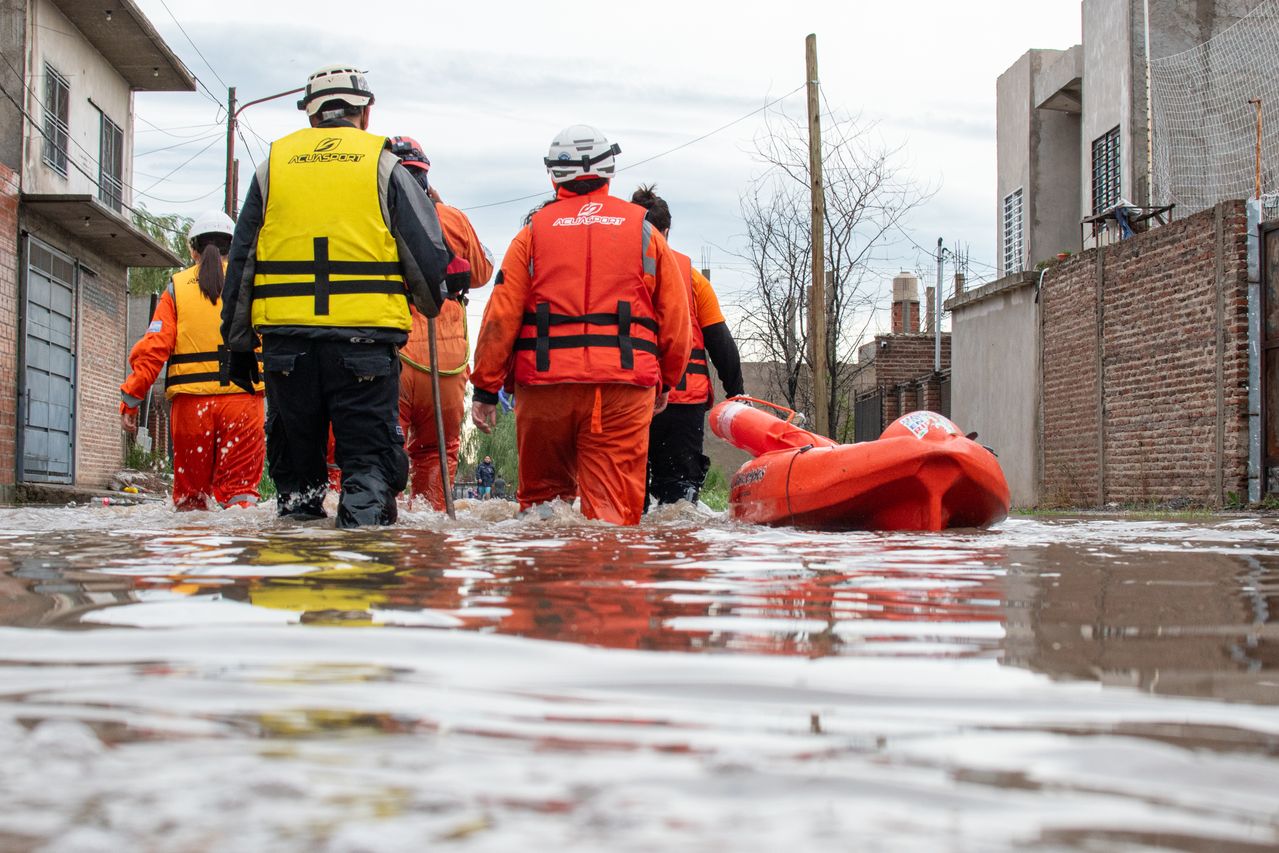
Photo by Juan Moccagatta: https://www.pexels.com/photo/rescue-team-navigates-flooded-buenos-aires-street-36288963/