Sport has a remarkable ability to bring people together. A football match in Madrid can attract supporters in London, São Paulo and Tokyo. An NFL team can build a following thousands of miles beyond its home stadium. Baseball, basketball and rugby clubs can develop international communities that follow every match, player transfer and major announcement.
But there is something that connects all these audiences beyond their love of sport: communication.
For professional sports organizations, international growth involves much more than selling broadcasting rights or playing matches overseas. It means building relationships with supporters, attracting commercial partners, connecting with international media and creating experiences that make fans feel included.
And language plays a significant role in all of this.
A supporter might follow a club for years without ever visiting its stadium. They might watch interviews, read match reports, purchase merchandise and interact with players through social media. If these experiences are available only in a language they do not understand, the relationship can become harder to develop.
For sports clubs, professional teams, leagues, stadium operators and sponsors, multilingual communication is no longer just an administrative consideration. It is part of building an international sports brand.
Professional Sports Have Global Audiences
The international popularity of professional sports has created opportunities that were once difficult to imagine.
Football clubs attract supporters across continents. The NFL is expanding its presence in Europe, South America and other international markets. Major League Baseball continues to connect with audiences beyond North America, while basketball has developed an extensive international following.
These organizations are not simply attracting international viewers. They are developing commercial relationships, organizing international events and creating opportunities to engage supporters in their own markets.
The NFL offers a good example. Its Global Markets Program gives participating clubs international marketing rights, allowing them to develop brand awareness and fan engagement outside the United States. By 2026, all 32 NFL clubs were participating, with rights across 22 international markets. The program supports activities such as fan events, commercial partnerships and grassroots football development.
This is important in professional sports, as international expansion is becoming part of long-term club and league strategy.
However, reaching a new market and connecting with its audience are two different things.
A club can organize an international event, advertise a match or launch a regional merchandise campaign. But if the communication does not reflect the language and expectations of local supporters, opportunities to build meaningful relationships may be missed.
Professional Interpreting at International Sporting Events
Major sporting events bring together people from different countries, backgrounds and language communities. Think about an international football tournament, an NFL game in London, a baseball series in Japan or a major rugby championship.
Behind every event, there are athletes, coaches, journalists, sponsors, broadcasters, hospitality teams, event staff and international guests. Many of these people need to communicate directly, often under time pressure and in situations where accuracy matters.
Language barriers can make these interactions difficult. A journalist may struggle to interview an international player, an event organizer may need to coordinate with overseas representatives, or a sponsor may find it difficult to discuss commercial arrangements with a potential partner.
Professional interpreting helps remove these barriers by making spoken communication possible between people who do not share the same language.
For stadium operators and event organizers, interpreting services can provide valuable support in several situations:
- Press conferences and media briefings: Helping journalists, athletes, coaches and organizers understand questions and responses during international media activities.
- International meetings: Facilitating discussions between event organizers, sporting associations, sponsors and overseas representatives.
- VIP and hospitality events: Supporting conversations with international guests, corporate partners and visiting delegations.
- Athlete and team support: Helping international players communicate with coaches, medical staff, management and other team members when language assistance is required.
- Conferences and official events: Enabling speakers and participants from different countries to take part in discussions, presentations and Q&A sessions.
The interpreting method depends on the event. Simultaneous interpreting allows participants to follow a conversation in real time, while consecutive interpreting gives the speaker time to pause so the interpreter can relay the message.
Planning these requirements in advance helps organizers choose the right interpreting approach, languages and technical arrangements.
For sports organizations, professional interpreting is not simply an additional event service. It helps international participants communicate confidently and contributes to the smooth running of sporting events.
Helping Sports Brands Build International Partnerships
Sports sponsorship is a major part of the professional sports business model. Brands partner with clubs, leagues, athletes and sporting events to increase visibility, strengthen brand recognition and reach audiences with shared interests.
These partnerships involve much more than stadium advertising and branded campaigns. They often require ongoing conversations between international business teams, club executives, athletes, agents, sponsors and commercial representatives.
When these parties speak different languages, professional interpreting can make an important difference.
Consider a sportswear company negotiating a sponsorship agreement with a professional football club in another country. Both sides need to discuss commercial expectations, partnership objectives, contract details, promotional activities and future plans. Without clear communication, important points can be misunderstood.
Professional interpreters help facilitate these discussions, ensuring that everyone can express their views, ask questions and understand the information being shared.
Interpreting can support sports sponsorship and commercial partnerships during:
- Sponsorship negotiations: Facilitating conversations between clubs, brands, agents and international commercial partners.
- Business presentations: Helping organizations present partnership proposals to potential sponsors from different countries.
- Athlete endorsements: Supporting discussions between athletes, representatives and international brands.
- Corporate hospitality: Facilitating conversations with overseas clients, VIP guests and business partners at sporting events.
- International networking: Helping executives and representatives build relationships during conferences, tournaments and industry gatherings.
The choice of interpreting method depends on the setting. Consecutive interpreting is often suitable for smaller business meetings and negotiations, while simultaneous interpreting can support larger conferences and presentations.
For sports organizations, clear communication helps build trust and makes international business discussions more productive. For sponsors, it creates an opportunity to develop stronger working relationships with clubs, athletes and commercial partners.
Player Interviews and International Media Relations
Athletes are among the most recognizable representatives of professional sports organizations. Their performances attract attention, but their personalities, opinions and stories help create lasting relationships with supporters.
Player interviews, post-match press conferences, media appearances and promotional events are valuable opportunities to connect athletes with journalists and international audiences.
However, language barriers can complicate these interactions.
Imagine a professional footballer transferring to a club in another country. The player may need to communicate with journalists, coaches, teammates, sponsors and club representatives who speak different languages.
Or consider an American football team attending an international event where local journalists want to interview players and coaching staff.
In these situations, professional interpreters help ensure that conversations flow naturally and that questions and answers are accurately understood.
Interpreting services can support sports organizations during:
- Post-match interviews: Helping international players communicate with journalists after matches.
- Press conferences: Facilitating communication between coaches, athletes and media representatives.
- International media appearances: Supporting interviews with broadcasters and journalists from different countries.
- Player recruitment meetings: Helping clubs communicate with overseas athletes, agents and representatives.
- Sponsorship interviews: Facilitating conversations between athletes, brands and commercial partners.
- International sporting conferences: Supporting discussions involving coaches, management teams, sporting officials and industry professionals.
Accuracy is particularly important in sports media. A player’s response can quickly become a headline, a broadcast clip or a widely shared social media discussion. Professional interpreters help preserve the intended meaning and context of what is being said.
By providing qualified interpreting support, sports organizations can make international media interactions more accessible while helping athletes and representatives communicate with confidence.
Supporting International Fan and Visitor Interactions
A sports club’s supporters are more than spectators. They are part of its identity, culture and commercial ecosystem.
As clubs and leagues attract international audiences, stadiums and sports venues increasingly welcome visitors who may not speak the local language.
While many visitors can navigate a sporting event independently, some situations require direct spoken assistance. International guests may need help understanding venue procedures, asking staff for information, accessing hospitality services or communicating with event representatives.
Professional interpreters can help bridge these communication gaps, particularly during organized visits, VIP experiences and major international events.
For example, a football club welcoming an international delegation may need interpreting support during a stadium tour, a meeting with club representatives or a hospitality event. Similarly, an arena hosting an international basketball tournament may require interpreters to assist visiting officials, sponsors and other guests.
Interpreting can support these interactions through:
- Guided stadium tours: Helping international visitors understand the history, facilities and operations of a sports venue.
- VIP hospitality: Facilitating conversations between venue staff, international guests, sponsors and corporate representatives.
- Fan engagement events: Supporting live interactions between athletes, club representatives and international supporters.
- International delegations: Helping visiting teams, sporting officials and representatives communicate with local organizers.
- Visitor assistance: Providing spoken language support when international guests need to communicate with venue personnel.
- Special events: Supporting conferences, meet-and-greets and other activities hosted by sports organizations.
For stadium operators and sports organizations, these interactions can have a direct impact on how international visitors experience an event.
Professional interpreting helps people ask questions, receive information and participate in conversations without language becoming an obstacle.
Ultimately, welcoming an international audience means making sure people can communicate when they need to. Qualified interpreters help sports venues deliver a more accessible and professional experience for visitors, guests and participants.
Why Professional Interpretation Matters in Sports
Professional sports are increasingly international. Clubs recruit athletes from different countries, leagues organize overseas competitions, sponsors work with international partners, and stadiums welcome supporters from around the world.
In these environments, clear spoken communication is essential. Misunderstandings during a player interview, sponsorship meeting or press conference can affect relationships, professional opportunities and an organization’s reputation.
Professional interpretation helps bridge these language barriers, allowing people to communicate accurately and confidently, regardless of the languages they speak.
For sports organizations, professional interpreters can provide support in several situations:
Player Interviews and Press Conferences
International players, coaches and management teams regularly interact with journalists, broadcasters and media representatives. Professional interpreters help ensure questions and answers are communicated accurately, preserving the speaker’s intended meaning and tone.
International Meetings and Negotiations
Sports clubs frequently work with overseas partners, agents, sponsors, investors and sporting organizations. Professional interpretation facilitates discussions, allowing all parties to understand important details and participate effectively.
International Sporting Events
Major tournaments and overseas matches bring together athletes, officials, organizers and visitors from different language backgrounds. Interpreters can support press conferences, official meetings, media activities and event-related communication.
Sponsorship and Commercial Partnerships
International sponsorship discussions often involve negotiations, presentations and business meetings. Professional interpreters help organizations communicate their proposals, understand commercial expectations and develop relationships with potential partners.
Stadiums and VIP Hospitality
Stadium operators and sports organizations hosting international guests may require interpretation during VIP meetings, corporate hospitality events, conferences and other high-profile occasions.
The choice of interpretation service depends on the setting. Simultaneous interpretation allows participants to follow a conversation in another language in real time, while consecutive interpretation involves speakers pausing to allow the interpreter to relay their message.
For live sporting events, press conferences and international meetings, selecting the appropriate interpretation method is essential.
Working with qualified professional interpreters helps sports organizations avoid misunderstandings, support international relationships and ensure that every participant has a voice.
How Sports Organizations Can Use Professional Interpreting to Strengthen International Communication
From signing international players and negotiating sponsorship deals to hosting global tournaments and speaking to international media, professional sports involve constant communication across languages.
A football club welcoming a new player from abroad, a baseball team negotiating with an international sponsor or an American football organization hosting an overseas event all face the same challenge: making sure everyone understands what is being said.
Professional interpreting helps bridge these language barriers. By providing accurate spoken communication during interviews, press conferences, meetings and sporting events, Sourcelingo helps sports organizations work more effectively with international athletes, partners, journalists and audiences.
Here are five practical steps sports organizations can take.
1. Identify Where Language Barriers May Arise
Review the situations in which your organization communicates with people who speak different languages. These may include player interviews, press conferences, international meetings, sponsorship negotiations, conferences and VIP events.
Identifying these situations helps you understand when professional interpreting may be needed.
2. Determine Which Languages You Need
Consider the nationalities of your athletes, the countries where your organization operates, your international partners and the audiences attending your events.
Prioritize the languages that are most relevant to your activities. This helps ensure that athletes, journalists, sponsors and other participants can communicate effectively.
3. Choose the Right Interpreting Method
Different situations require different interpreting approaches.
- Simultaneous interpreting allows participants to hear the interpretation in real time. It is particularly useful for conferences, large events and press conferences.
- Consecutive interpreting takes place when the speaker pauses so the interpreter can relay the message. It works well for interviews, meetings, negotiations and smaller group discussions.
Choosing the right method helps conversations run smoothly without disrupting the event or meeting.
4. Plan Interpreting Requirements in Advance
For international matches, tournaments, conferences and sponsorship events, arrange interpreting support early.
Consider the number of languages required, the format of the event, the number of participants and whether on-site or remote interpreting is more suitable. Early planning also allows time to coordinate interpreters and any necessary technical equipment.
5. Partner with Experienced Professional Interpreters
The quality of interpretation matters, particularly in professional sports environments where conversations can involve commercial agreements, media statements, sensitive discussions and high-profile participants.
Sourcelingo provides professional interpreting services to help sports organizations communicate across language barriers. Whether supporting international meetings, player interviews, press conferences or sporting events, qualified interpreters help ensure that messages are understood accurately and that every participant can take part in the conversation.
International communication works best when everyone understands what is being said. By incorporating professional interpreting into their communication plans, sports organizations can build stronger international relationships, support smoother events and communicate with confidence across languages.
The Future of Professional Sports is Global
Professional sports have always been about competition, identity and community.
Today, those communities extend far beyond national borders. A supporter can follow an American football team from Europe, purchase merchandise from a baseball club in Japan or watch a football club’s matches from the other side of the world.
For sports organizations, this international reach creates opportunities to develop new commercial partnerships, strengthen fan relationships and expand their presence in global markets.
But international growth requires more than visibility. It requires communication that makes people feel included, understood and connected to the organizations they support.
From multilingual tournaments and player interviews to sponsorship activations, stadium experiences and international fan communities, language plays a role at every stage.
At Sourcelingo, we help organizations overcome language barriers through professional translation, interpretation and multilingual communication solutions.
Whether you are a professional sports club expanding into new markets, a stadium welcoming international visitors, a league organizing an international event or a brand developing a global sponsorship campaign, the right language support can help you communicate with confidence.
Because sport may bring people together, but effective communication helps keep them connected.
Speak your fans’ language.
Discover Sourcelingo’s language services.
Frequently Asked Questions
Why is professional interpreting important for sports organizations?
Professional interpreting helps sports organizations communicate clearly with international athletes, coaches, journalists, sponsors and business partners. It reduces the risk of misunderstandings during important conversations and helps everyone participate, regardless of the language they speak.
When do sports clubs need professional interpreters?
Sports clubs may need interpreters during player interviews, press conferences, contract discussions, meetings with international agents, sponsorship negotiations, training sessions and official events. Interpreters can also support visiting teams and international guests.
What type of interpreting is used at sporting events?
The most suitable method depends on the event. Simultaneous interpreting is often used for conferences, large events and press conferences where participants need real-time interpretation. Consecutive interpreting is suitable for interviews, meetings and smaller discussions where the speaker can pause while the interpreter relays the message.
Do sports organizations need interpreters for international press conferences?
Yes. When players, coaches or club representatives speak to journalists from different countries, professional interpreters help ensure that questions and answers are communicated accurately. This supports clear media coverage and helps protect the intended meaning of each statement.
Can professional interpreters help with international sponsorship negotiations?
Yes. Sponsorship agreements often involve commercial discussions, presentations and negotiations between organizations from different countries. Professional interpreters help all parties understand the conversation, discuss expectations and communicate their positions clearly.
Can Sourcelingo provide interpreting for international sports events?
Sourcelingo provides professional interpreting services to support multilingual communication in business and event environments. Sports organizations can use interpreting support for international meetings, press conferences, interviews, conferences and other events where clear spoken communication is essential.
What is the difference between translation and interpretation in sports?
Translation deals with written content, such as contracts, press releases and promotional materials. Interpretation focuses on spoken communication, allowing people who speak different languages to communicate during interviews, meetings, negotiations, press conferences and live events. This article focuses on professional interpreting and its role in spoken communication.
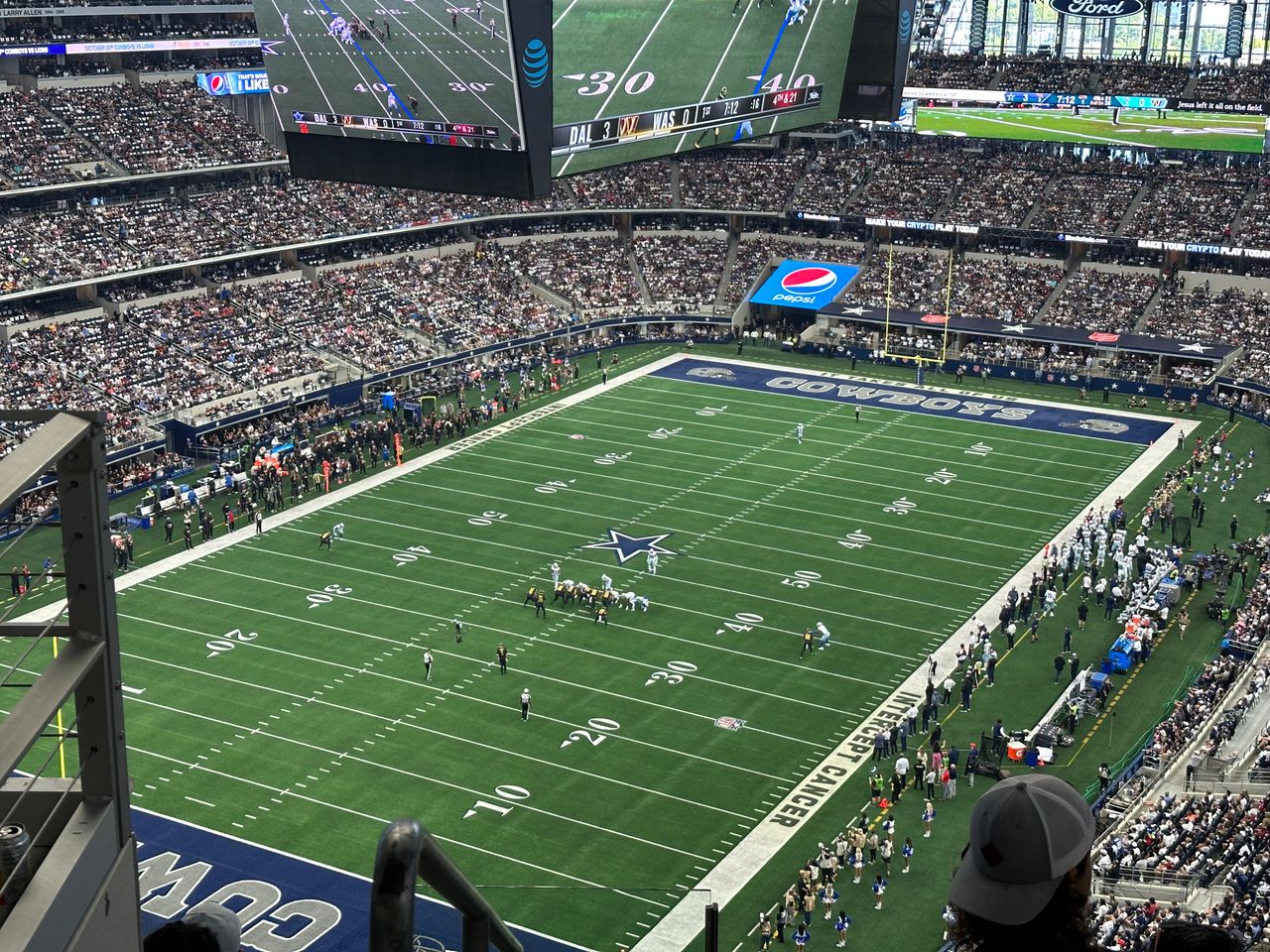
Image credit: Photo by Terrance Barksdale: https://www.pexels.com/photo/aerial-view-of-american-football-game-in-stadium-39590560/