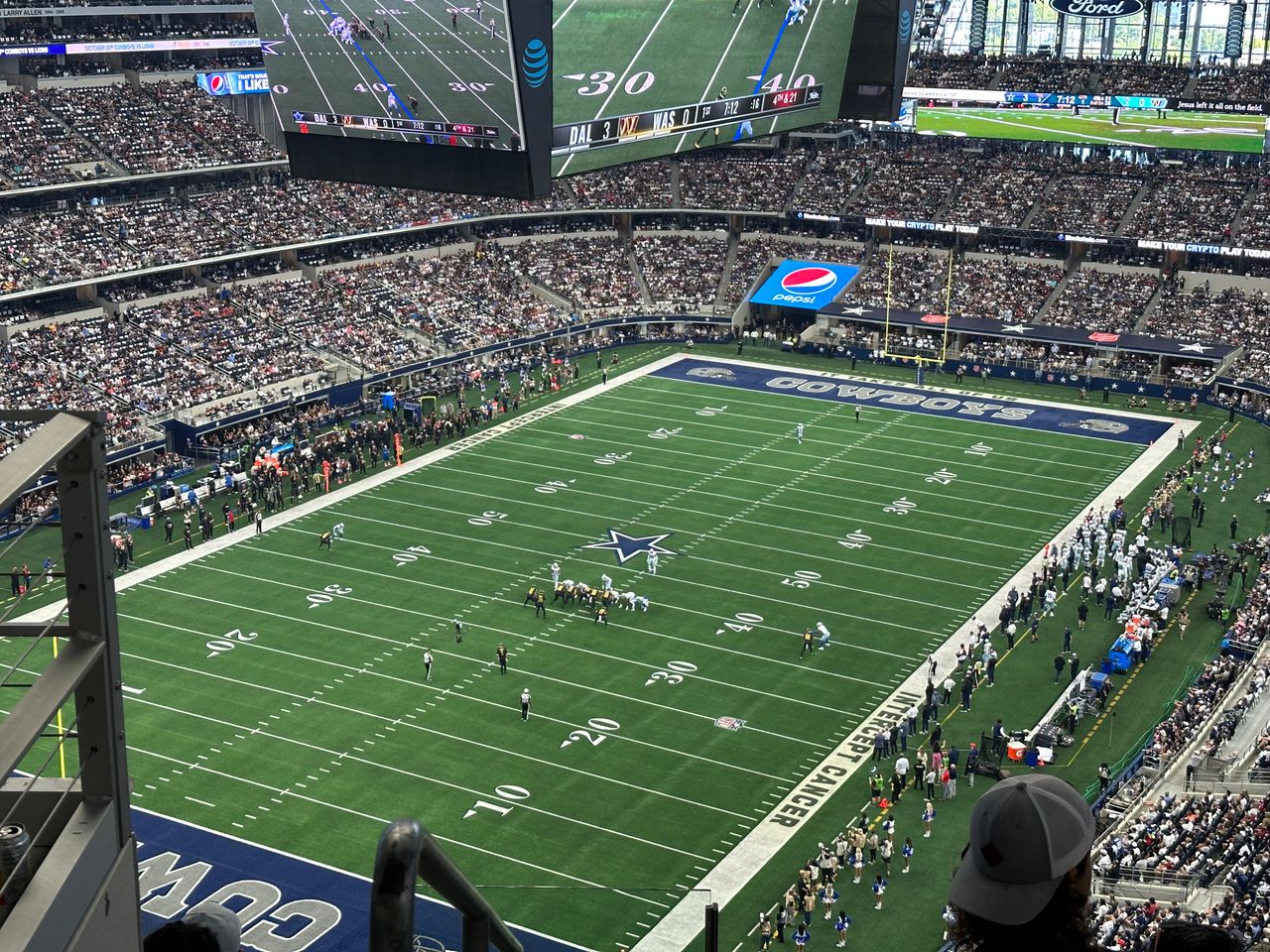
A stadium can bring together thousands of people from different countries. A sporting event can attract international athletes, coaches, journalists, sponsors and spectators. A press conference can be watched by millions of people around the world.
But what happens when those people cannot understand one another?
Language barriers at live events are easy to underestimate. Organisers often concentrate on logistics, security, ticketing, broadcasting and entertainment. Communication across languages can become an afterthought, particularly when the event is expected to operate primarily in one language.
Without appropriate language support, spectators may struggle to follow important announcements, athletes may find it difficult to communicate with journalists, and broadcasters may miss valuable opportunities to reach international audiences.
For event agencies, stadium operators, sports clubs and media organisations, professional interpreting is not simply an additional service. It is part of delivering a well-organised, accessible and internationally relevant event.
The Impact of Language Barriers at Live Sporting Events
International events rarely involve just one audience.
A football tournament, for example, might bring together supporters from several countries, players recruited internationally, coaching teams, sports agents, sponsors and journalists working for foreign media outlets.
Even when English is widely used, it cannot be assumed that everyone involved is comfortable communicating in it.
A visiting journalist might misunderstand an answer during a press conference. An athlete might struggle to explain a medical or technical matter. A spectator might miss an important announcement about transport arrangements or changes to the event schedule.
These situations can create frustration and confusion. Research into language policies at major sporting events has identified interpreting as an important part of event operations, covering everything from press conferences and official meetings to medical facilities, security and public information.
The challenge is not simply making information available in another language. It is making sure people can communicate when they need to.
1. International Spectators Can Feel Excluded
For stadiums and event organisers, the spectator experience extends well beyond what happens on the pitch, court or track.
Visitors need to understand practical information, including:
- Entry procedures and stadium rules.
- Changes to schedules and match arrangements.
- Emergency announcements and evacuation instructions.
- Transport information and access restrictions.
- Hospitality services and VIP arrangements.
- Information about activities taking place around the venue.
When spectators cannot understand important information, their experience becomes unnecessarily difficult.
Consider an international football tournament where thousands of visiting supporters attend matches in a country where they do not speak the local language. If announcements are made exclusively in the local language, some spectators may miss important instructions. They might not understand changes to entry arrangements or know where to go when assistance is required.
Professional interpreting can support communication at designated information points, hospitality areas, official meetings and other situations where direct interaction is necessary.
For stadium operators, this is also an opportunity to make international visitors feel welcome rather than treating multilingual communication as an exception.
2. Athletes, Coaches and Sports Professionals Can Lose Their Voice
Sports organisations operate internationally. Players move between countries, coaches work with multicultural teams, and sports agents negotiate with clubs, sponsors and representatives from different markets.
Language differences can affect these professional relationships.
Imagine a club presenting a new international signing. The player speaks confidently in their native language but has limited proficiency in the language used by the local media.
Without interpreting, the interview may become awkward, answers may be reduced to a few basic sentences, and journalists may struggle to get the information they need.
The same issue can arise during:
- Player introductions and official presentations.
- Post-match interviews.
- Coaching and technical briefings.
- Contract-related meetings.
- Press conferences.
- Sponsor and partnership meetings.
- International sports federation events.
Professional interpreters help athletes, coaches and representatives communicate their actual thoughts rather than relying on simplified answers or informal assistance.
This is especially important when discussing sensitive issues, technical matters or topics that international media are likely to pick up.
A football player discussing tactics, a coach explaining a controversial decision or an athlete responding to a difficult question needs to be understood accurately.
The interpreter’s role is to facilitate communication without changing the speaker’s intended message.
3. Broadcasters and Sports Media Can Miss Valuable Content
Live sports broadcasting is an international business. A match may take place in one country while attracting viewers, journalists and media organisations across several continents.
The action on the pitch is only one part of the coverage. Interviews, press conferences, post-match analysis and official statements provide additional content that broadcasters use to inform their audiences.
Without professional interpreting, language barriers can limit how much of that content is available to international media.
For example, a broadcaster covering an international football competition may want to include an interview with a coach who speaks another language. Without an appropriate interpreting arrangement, the broadcaster may need to rely on translated summaries, limited excerpts or alternative interviews.
This can affect the speed, quality and depth of coverage. Professional interpreting can support:
- Live and recorded interviews.
- International press conferences.
- Post-match media briefings.
- Sports commentary and analysis discussions.
- Media interviews with athletes and coaches.
- Remote press conferences involving international journalists.
The interpreting arrangements need to reflect the broadcasting format.
Consecutive interpreting may be appropriate for smaller interviews, while simultaneous interpreting can support larger press conferences and live multilingual events.
Remote simultaneous interpreting can also allow journalists and other participants to access interpreted audio through their own devices.
The Confederation of African Football, for example, introduced remote simultaneous interpreting for media attending the African Nations Championship, allowing accredited journalists to access real-time interpretation through their mobile phones.
This demonstrates how interpreting technology can extend multilingual access beyond traditional headset arrangements.
4. International Sponsors and Commercial Partners Can Lose Opportunities
Major sporting events attract international sponsors, brands, agencies and commercial partners. Their participation often involves presentations, hospitality experiences, networking sessions, interviews and business meetings. These activities depend on effective communication.
If a sponsor’s representatives cannot communicate comfortably with event organisers or local partners, discussions can become less productive. Important details may be misunderstood, and opportunities to develop professional relationships can be lost.
The same applies to sports agents negotiating with clubs, agencies managing international talent and organisations seeking partnerships in new markets.
Professional interpreting helps these conversations happen without requiring every participant to communicate in a language they do not know well. It also allows speakers to participate more naturally in meetings, presentations and networking activities.
For event agencies, providing interpreting services can become part of a more complete international event offering.
5. Language Barriers Can Create Operational and Safety Problems
Some communication failures are inconvenient. Others can have more serious consequences.
Live events involve large numbers of people moving through busy environments. Stadiums and event venues must communicate instructions clearly, particularly when schedules change or unexpected situations arise.
Consider a situation involving:
- An emergency announcement.
- A change to an entrance or exit arrangement.
- A medical incident involving an international visitor.
- A security instruction.
- A disruption to transport services.
- An unexpected change to event scheduling.
If someone cannot understand the information being communicated, responding appropriately becomes more difficult. This is important for international event organisers managing multilingual teams and visitors.
Professional interpreters can support communication in designated operational settings, including meetings, briefings and direct interactions where language differences could affect understanding.
Of course, interpreting should form part of a wider communication and emergency planning strategy. It does not replace clear multilingual signage, accessible information, trained venue personnel or established emergency procedures.
The objective is to reduce communication barriers before they become larger problems.
6. Social Media Can Amplify Communication Problems
Sports organisations no longer communicate exclusively through television, newspapers and official websites.
Clubs, athletes, broadcasters and sports agencies use social media to reach international audiences in real time.
Interviews are clipped, statements are shared, and reactions to major sporting moments can spread across several countries within minutes.
When an athlete’s words are misunderstood or an interview is taken out of context, the consequences can extend well beyond the original event.
Professional interpreting during media interviews and press conferences helps ensure the original message is understood accurately, especially when dealing with controversial sporting decisions, disciplinary matters, athlete statements, or sensitive media questions.
Translation and localization also support organisations when they adapt written announcements, social media posts, and other content for different markets. However, when someone is speaking live and needs to be understood immediately, interpreting is the relevant service.
How Professional Interpreting Supports Live Events
Not every event needs the same interpreting arrangement. The right solution depends on the number of participants, languages involved, venue, event format and communication requirements.
Here are some of the most relevant options.
On-site interpreting
- Professional interpreters attend the event in person.
- This can be useful for player presentations, interviews, business meetings, VIP hospitality, press conferences and other situations where direct interaction is required.
Simultaneous interpreting
- The interpreter communicates the speaker’s message in another language while the original speaker continues talking.
- This is commonly used for international conferences, large press conferences and multilingual presentations.
- Participants can listen through dedicated interpreting equipment or an appropriate digital platform.
Consecutive interpreting
- The speaker pauses after a section of their message, allowing the interpreter to communicate it in another language.
- This format is often suitable for interviews, meetings and smaller media interactions.
Remote simultaneous interpreting (RSI)
- Interpreters work remotely through a dedicated interpreting platform, allowing participants to access interpreted audio through compatible devices.
- This can be particularly useful for hybrid events, international press conferences and broadcasting arrangements involving participants in different locations.
- The technology and technical support need to be planned carefully to ensure reliable audio, connectivity and coordination.
What Should Event Organisers Consider Before the Event?
Language support should be included in the planning process rather than arranged at the last minute.
Event agencies, sports clubs, stadium operators and broadcasters should consider the following:
1. Identify the audiences
Who will attend or participate? Consider spectators, athletes, coaches, journalists, sponsors, international guests and event personnel.
2. Identify the languages required
Review the nationalities and language preferences of participants, rather than assuming everyone can communicate in English.
3. Map the communication requirements
Identify where interpreting will be needed: press conferences, interviews, meetings, hospitality areas, briefings or other operational activities.
4. Select the appropriate interpreting format
Decide whether on-site, consecutive, simultaneous or remote interpreting is most suitable.
5. Coordinate technical requirements
For simultaneous and remote interpreting, check microphones, audio feeds, receivers, platforms, connectivity and technical support.
6. Work with qualified professional interpreters
Sports events often involve specialised terminology, fast-paced discussions and unexpected questions. Interpreters should have the relevant language expertise and preparation for the subject matter.
7. Plan for changes
International events rarely run exactly as scheduled. Have arrangements for additional languages, schedule changes and unexpected communication requirements.
A professional language-services partner can help event organisers assess these requirements before the event begins.
Better Communication Creates Better International Events
International sporting events bring people together through competition, entertainment and shared experiences. But the people involved still need to communicate.
For stadium operators, professional agencies, sports clubs, sports agents and broadcasters, failing to consider language support can affect more than the spectator experience. It can limit media opportunities, complicate professional relationships and make international participation more difficult.
Professional interpreting gives athletes, journalists, spectators and business representatives the opportunity to communicate in a language they understand.
It also helps event organisers deliver a more inclusive and professionally managed experience.
At Sourcelingo, we understand the importance of accurate communication across languages. Our interpreting solutions support organisations that need to communicate effectively with multilingual audiences and international stakeholders.
Whether you are organising a sporting event, managing an international press conference or coordinating media activities, interpreting requirements should be part of your event planning from the beginning.
Planning an international event? Talk to Sourcelingo about professional interpreting services and the language support your event requires.
Photo by Omar Magdy Tri: https://www.pexels.com/photo/portrait-of-winner-of-triathlon-20647819/