


Every Room Has Its Own Language
We provide and coordinate professional interpreters for organizations that work across languages. That includes law firms and legal-aid groups, NGOs and nonprofits, manufacturers and EPCs, healthcare and technical teams, and companies operating abroad. On-site, remote, or hybrid.
Some of our work is a single hour-long video call. Some of it is ten weeks on a factory floor in Colombia, or more than a year supporting quality audits in Seoul. We’re set up for both, but we’ve built our reputation on assignments with more moving parts.
37
Years combined experience
300+
Languages
20K+
Linguists worldwide
24/7
On-demand Interpreters
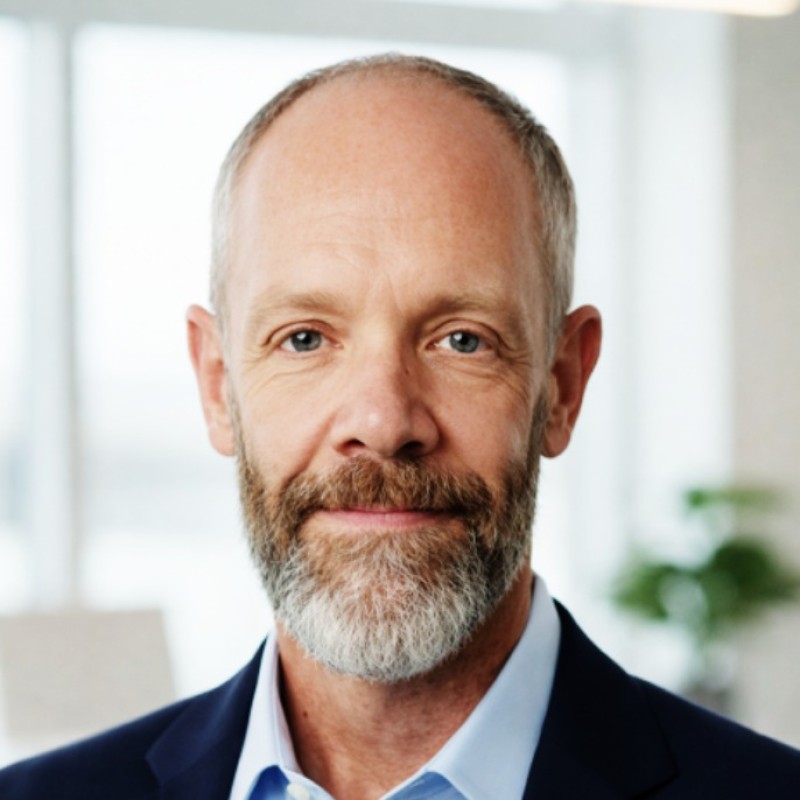
Mark Parrish, Founder
Why I Started SourceLingo
I spent a decade in interpreting operations before starting this company. Running projects, coordinating interpreters, supporting clients through complex multilingual assignments. I was usually the person clients called when something went wrong, which meant I saw the same failures on repeat.
Accounts changing hands five times a year. Interpreters sent into technical settings with no briefing and told to improvise. A client asking a straightforward question and waiting days for an answer from someone who had never heard of their project.
I started SourceLingo in 2024 to run it the other way:
- Accountability and continuity come first.
- On complex assignments, I stay involved from planning through completion.
- Every client has one point of contact who knows the project.
- Interpreters get briefed properly and paid fairly.
- We build client relationships measured in years, not bookings.
They Chose Us
A&J
Cranes imported into Colombia from manufacturers abroad. Load ratings and technical specifications moving between supplier languages and a Spanish-speaking team, where precision decides whether equipment arrives configured correctly. Our first client.
ADAMA
Two packing line machines commissioned in Barranquilla, Colombia. Mandarin-speaking engineers, Spanish-speaking operators, and the training that would keep the line running after the engineers flew home. Four weeks booked. Extended to ten.
Elevaris Medical Devices
U.S. engineers and Korean factory management through a series of quality control audits. Findings challenged, corrective actions agreed line by line. Three months on site.



How We Work
Interpretation projects rarely fail in the room. When something goes wrong, it often stems from how the assignment was scoped, staffed, or prepared. What looks like an interpreter problem can be the result of an operational failure much earlier in the process. Here’s how we work to prevent it.
1.
We Scope Before We Quote
We ask what the assignment has to accomplish, who’s involved, and what the subject matter demands. We don’t accept work unless we’re confident we can staff and support it properly.
2.
We Match The Setting
A factory commissioning and an asylum interview require different interpreters. We select interpreters based on subject matter, level of specialization, location, and format, not language alone.
3.
Our Work Starts Before Work
We brief interpreters on the assignment, participants, objectives, and context. Reference materials are a critical part of preparation, especially for technical and long-running assignments where terminology and consistency matter.
LET’S START THE CONVERSATION
Ready to Talk About Your Project?
Tell us what you’re trying to get done. Whether it’s a one-time need, recurring support, or an extended assignment, we’ll tell you straight whether we’re the right fit and what it will take to do it properly.
“Clear communication supports stronger relationships, informed decisions, and successful outcomes across every language”