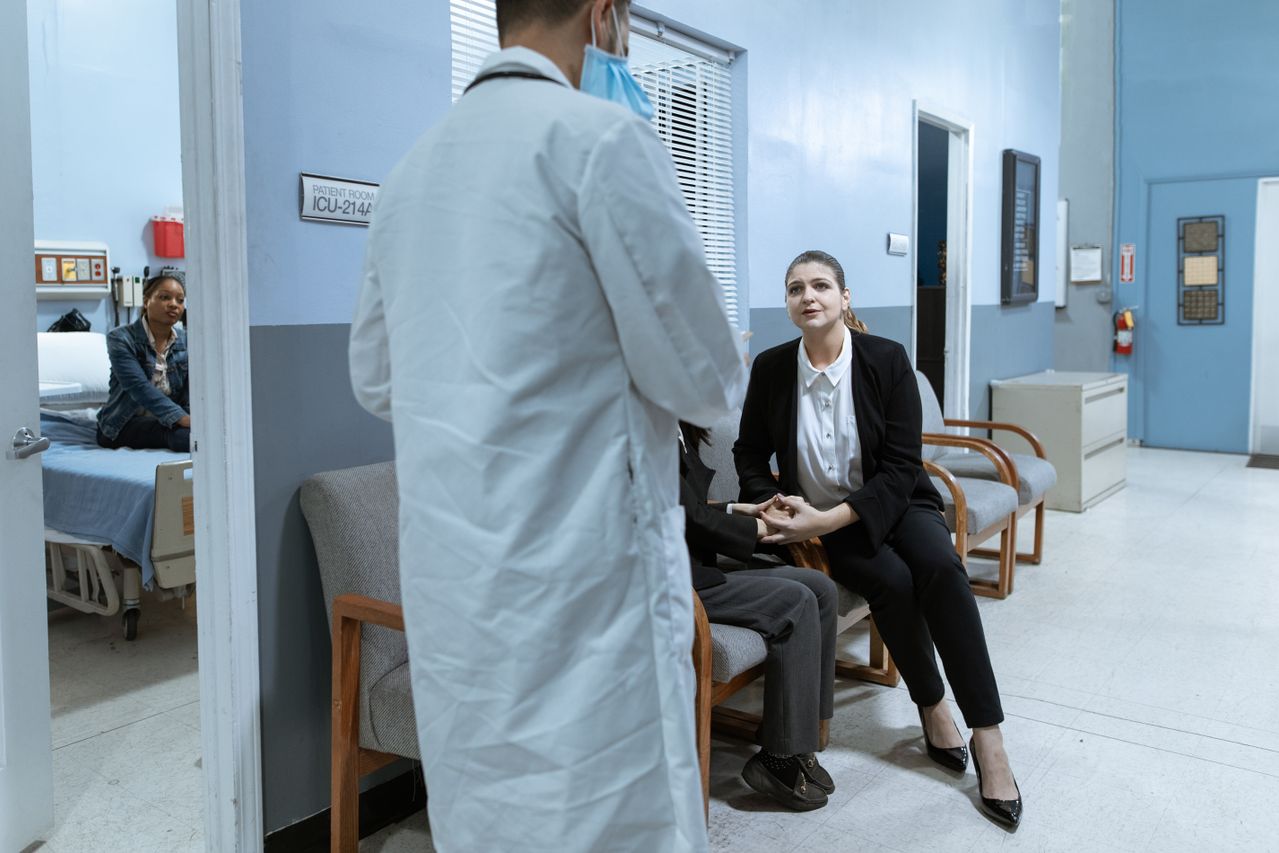
Every patient brings more than a medical history into the exam room. They also bring their language, cultural background, beliefs, values, and personal experiences. Understanding those factors can help healthcare providers communicate more effectively, build stronger relationships, and deliver care that meets each patient’s individual needs.
As communities become increasingly diverse, cultural competency has become an essential part of patient-centered care. It is not about knowing every cultural tradition or speaking every language. Instead, it is about recognizing that cultural differences can influence how patients understand health information, make medical decisions, and interact with healthcare professionals.
When providers combine cultural awareness with clear communication, they create an environment where patients feel respected, understood, and more engaged in their care.
What Is Cultural Competency?
Cultural competency is the ability of healthcare professionals and organizations to provide care that respects and responds to the cultural, linguistic, and social needs of the people they serve.
This includes understanding that patients may have different perspectives on illness, treatment, family involvement, communication styles, or preventive care. It also means recognizing that every patient is an individual, and avoiding assumptions based on ethnicity, nationality, religion, or language.
Rather than expecting patients to adapt to the healthcare system, culturally competent organizations strive to make care more accessible and inclusive.
Why Cultural Competency Matters
Effective healthcare depends on communication. Patients need to understand their diagnosis, treatment options, medication instructions, and follow-up care. Providers also rely on patients to describe symptoms accurately, ask questions, and share concerns.
When cultural or language differences make communication more difficult, patients may misunderstand important information or hesitate to speak openly. This can affect patient satisfaction, adherence to treatment plans, and the overall quality of care.
Cultural competency helps reduce these barriers by encouraging respectful communication and creating opportunities for meaningful dialogue between patients and providers.
The Role of Language Access
Language access is one of the most important components of culturally competent care.
Patients with limited English proficiency may struggle to understand medical terminology, consent forms, discharge instructions, or medication guidance if information is only available in English. Providing professional interpretation allows providers and patients to communicate directly, helping ensure that important medical information is understood by both parties.
Professional medical interpreters do more than translate words. They accurately interpret conversations while maintaining confidentiality and impartiality, allowing providers to focus on delivering care and patients to communicate in the language they know best.
Building Trust Through Better Communication
Trust plays a central role in every healthcare interaction.
Patients are more likely to ask questions, discuss symptoms honestly, and participate in shared decision-making when they feel respected and understood. Small actions can make a meaningful difference, including speaking in plain language, confirming understanding, respecting cultural preferences, and providing language support when needed.
These practices help create a more positive patient experience while strengthening communication between providers and the communities they serve.
Cultural Competency Is an Ongoing Process
No checklist makes a healthcare organization culturally competent. Communities evolve, patient populations change, and healthcare professionals continue learning throughout their careers.
Organizations often strengthen cultural competency by investing in staff education, evaluating language access policies, translating essential patient materials, and making professional interpretation services available whenever language barriers arise.
These efforts support more equitable care while helping providers communicate confidently with patients from diverse backgrounds.
The Benefits for Patients and Providers
When healthcare organizations prioritize cultural competency, the benefits extend beyond communication.
Patients are more likely to feel respected, participate in conversations about their care, and understand the information they receive. Providers gain a clearer understanding of their patients’ concerns and can communicate treatment plans more effectively.
For healthcare organizations, culturally competent care contributes to stronger patient relationships, improved patient experiences, and a more inclusive environment for the communities they serve.
In Conclusion
Cultural competency is about meeting patients where they are and recognizing that effective healthcare begins with understanding.
By combining cultural awareness with professional language access services, healthcare providers can communicate more effectively, strengthen patient relationships, and create a more inclusive healthcare experience for every individual who walks through their doors.
As patient populations continue to diversify, investing in culturally competent care is an investment in better communication and better outcomes for everyone involved.
Frequently Asked Questions
What is cultural competency in healthcare?
Cultural competency in healthcare is the ability of providers and organizations to deliver care that respects patients’ cultural, linguistic, and social backgrounds while supporting effective communication and patient-centered care.
Why is cultural competency important?
Cultural competency helps providers communicate more effectively, build trust with patients, reduce misunderstandings, and improve the overall patient experience.
How do professional medical interpreters support cultural competency?
Professional medical interpreters help patients and providers communicate accurately when they do not share the same language. They interpret conversations impartially and confidentially, supporting clear communication without replacing the provider’s clinical expertise.
Is cultural competency only about language?
No. Language is an important part of cultural competency, but providers should also consider cultural beliefs, health literacy, communication preferences, family dynamics, and individual patient experiences when delivering care.
Photo by RDNE Stock project: https://www.pexels.com/photo/people-at-the-hospital-hallway-6129035/