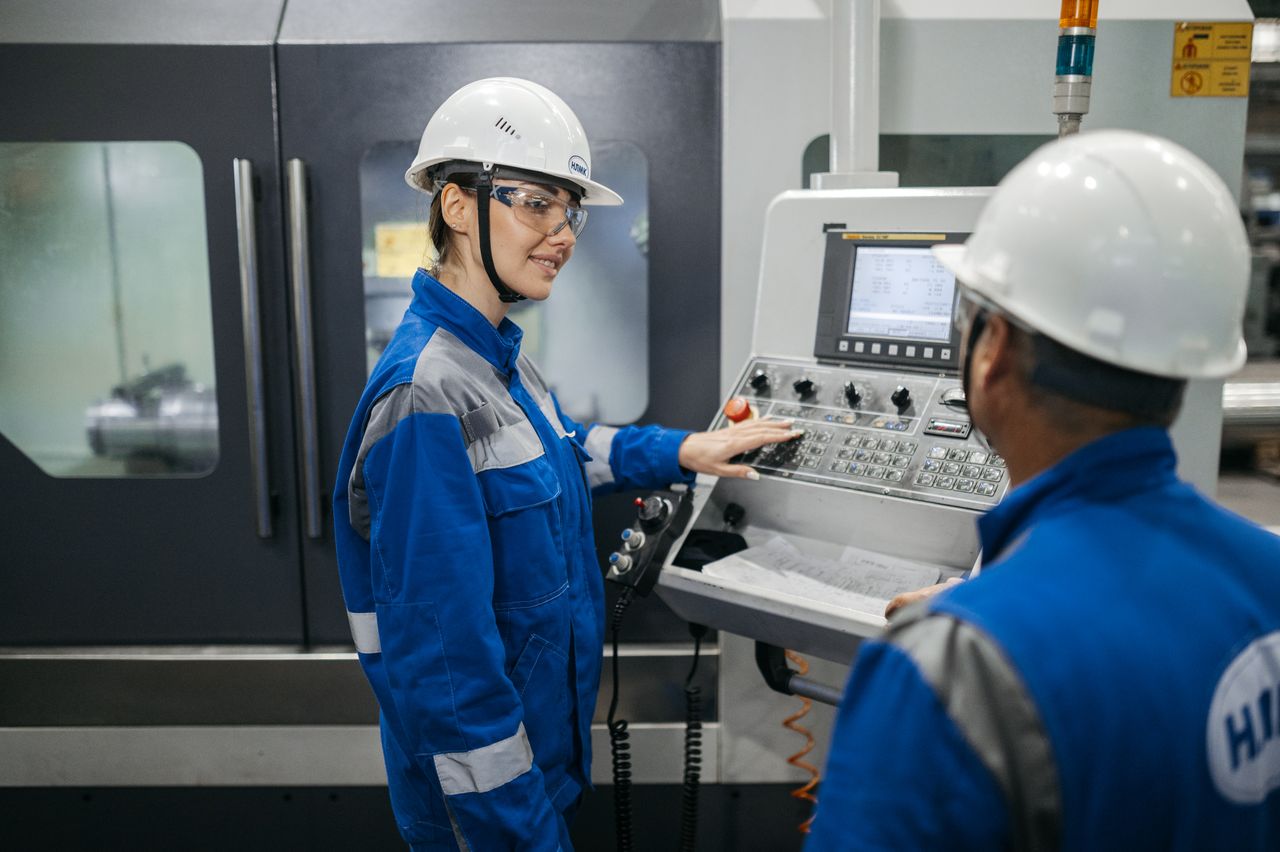
Factory Acceptance Testing (FAT) is one of the most important stages in the manufacturing process. Before equipment is shipped to its final destination, customers, engineers, and manufacturers come together to verify that machinery performs according to specifications. It’s an opportunity to identify issues, confirm functionality, and ensure everyone is confident before installation begins.
As manufacturing projects become increasingly global, Factory Acceptance Testing often brings together teams from different countries who may not share the same language. In these situations, clear communication is essential. Professional interpreters help ensure technical discussions, demonstrations, and decisions are understood accurately, allowing the testing process to move forward efficiently.
What Is Factory Acceptance Testing?
Factory Acceptance Testing is a structured evaluation conducted at the manufacturer’s facility before equipment is delivered to the customer. During the test, the equipment is inspected and operated to confirm that it meets contractual requirements, technical specifications, and performance expectations.
FAT typically involves manufacturers, customer representatives, project managers, engineers, quality assurance professionals, and technicians. Each participant plays a role in reviewing the equipment, discussing test results, and identifying any adjustments that should be made before shipment.
Why Communication Is So Important During FAT
Factory Acceptance Testing is designed to answer important questions before equipment leaves the factory. Participants may discuss system performance, operating procedures, software functionality, safety features, maintenance requirements, and quality standards.
When teams do not share the same language, even small misunderstandings can create confusion. A misinterpreted instruction, an unclear test result, or a misunderstood technical requirement can lead to delays, additional testing, or unnecessary follow-up after installation.
Professional interpreters help ensure that everyone participating in the FAT receives the same information and has the opportunity to ask questions with confidence.
Technical Interpretation Requires Specialized Knowledge
Interpreting during Factory Acceptance Testing involves much more than speaking two languages.
Professional interpreters working in manufacturing environments are familiar with technical terminology, industrial processes, engineering concepts, and the pace of live equipment demonstrations. Their role is to accurately interpret conversations without adding, changing, or omitting information.
This allows engineers, manufacturers, and customers to focus on evaluating the equipment rather than overcoming language barriers.
Supporting International Manufacturing Projects
Many manufacturers serve customers around the world, making multilingual communication a routine part of production.
A company in Germany may build equipment for a customer in Mexico. An engineering team from Japan may travel to the United States to conduct final testing before installation. Throughout these projects, interpretation helps connect teams with different linguistic backgrounds while keeping communication clear and consistent.
When everyone understands the discussion, decisions can be made more efficiently and collaboration becomes more productive.
Interpretation Beyond the Factory Floor
Factory Acceptance Testing often includes more than equipment demonstrations. Teams may review technical drawings, operating manuals, inspection reports, maintenance procedures, and training materials as part of the process.
Providing professionally translated documentation alongside live interpretation creates a consistent experience. Participants can follow demonstrations, review written materials, and reference important information after the testing has concluded.
Combining interpretation and translation helps support effective communication throughout the entire project lifecycle.
Choosing the Right Interpretation Partner
Manufacturing projects require interpreters who understand technical environments and can adapt to fast-paced discussions.
When selecting a language services provider, consider whether they offer:
- Experience with manufacturing and engineering projects
- Professional interpreters familiar with industrial terminology
- On-site and remote interpretation options
- Support for multiple languages
- Flexible scheduling for production timelines
Working with experienced professionals helps ensure communication remains accurate from the beginning of the FAT process through installation and ongoing support.
Building Confidence Before Equipment Leaves the Factory
Factory Acceptance Testing is about more than confirming that equipment works as expected. It is also an opportunity to ensure every stakeholder leaves with a clear understanding of the system, its performance, and the next steps before installation.
Professional interpretation services support that goal by helping international teams communicate accurately throughout the testing process. When language is no longer a barrier, manufacturers and customers can focus on what matters most: delivering reliable equipment, building strong partnerships, and moving projects forward with confidence.
Photo by Sergey Sergeev: https://www.pexels.com/photo/industrial-workers-operating-machinery-in-russia-32845691/