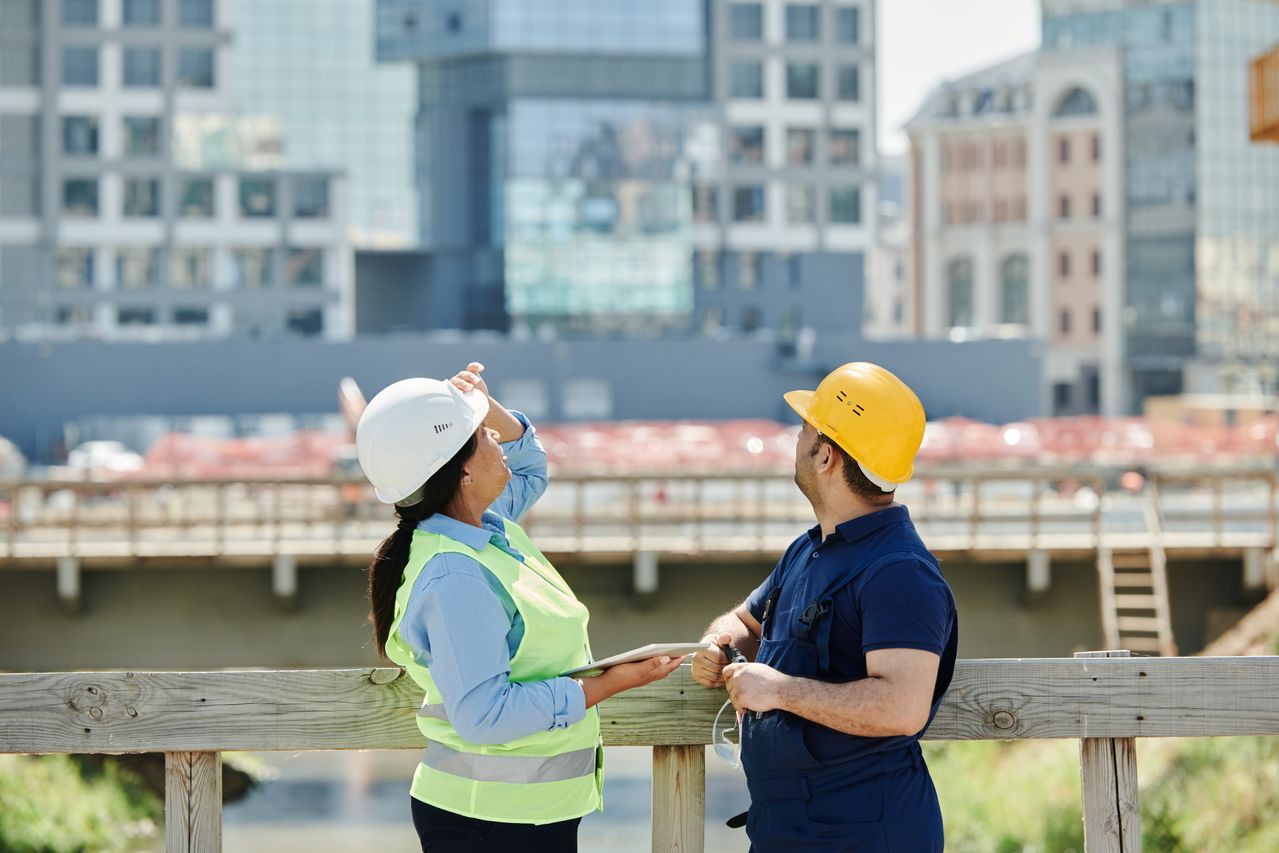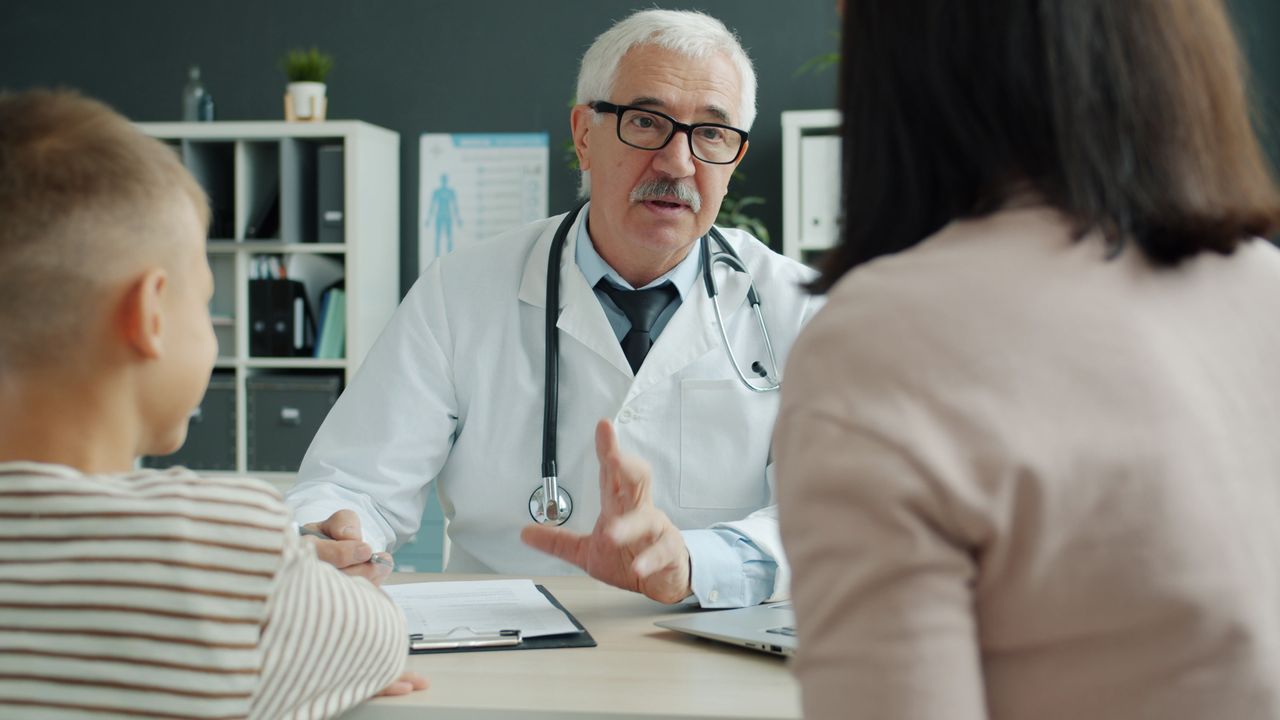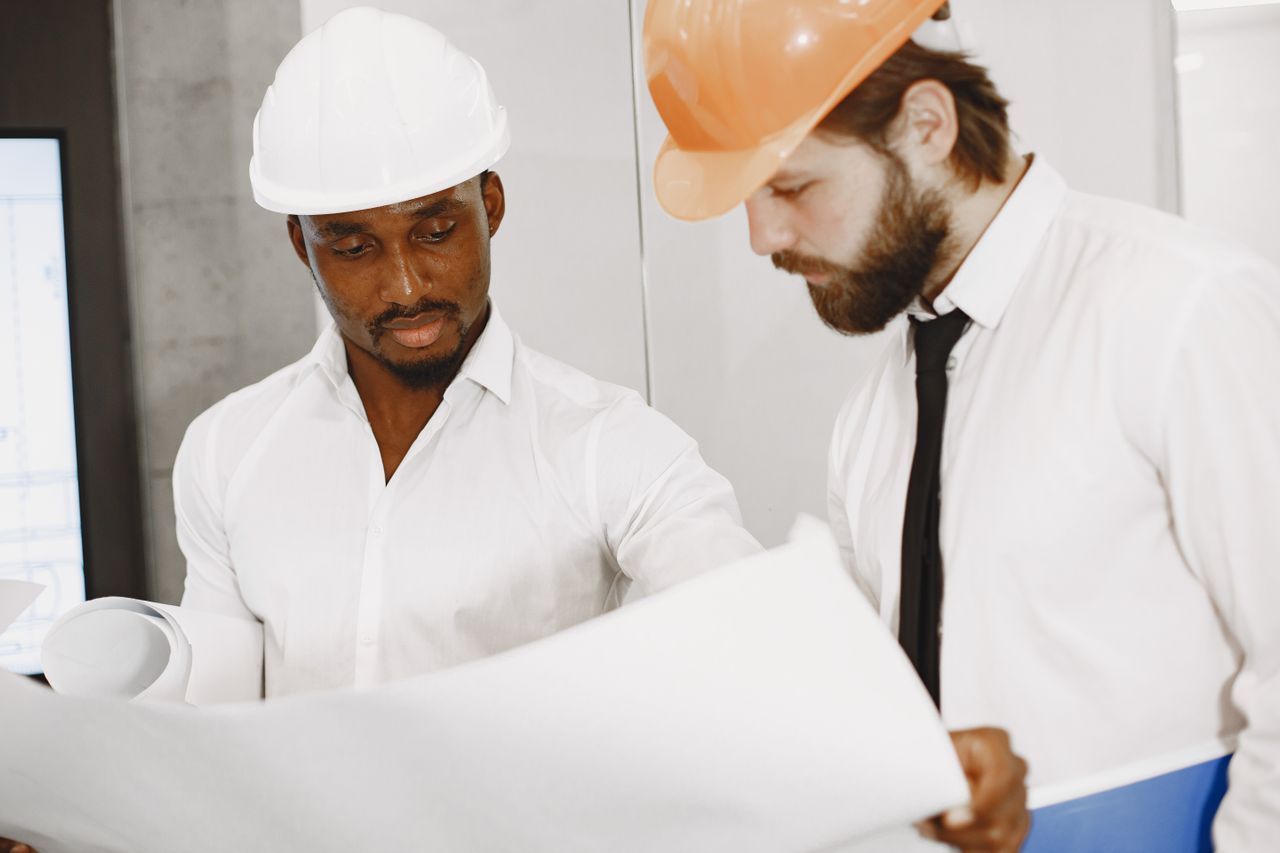
Medical devices are becoming more advanced, and the teams responsible for using, maintaining, and supporting them are increasingly global. Manufacturers regularly train healthcare professionals, biomedical engineers, distributors, and service technicians in different countries, often working across multiple languages.
Whether introducing a new imaging system, surgical device, diagnostic platform, or patient monitoring solution, successful training depends on more than technical expertise. Participants need to fully understand how the device works, how to use it safely, and how to respond when problems arise.
Professional interpretation and translation services help manufacturers deliver consistent, accurate training that reaches every participant, regardless of the language they speak.
Global Medical Device Training Is More Complex Than Ever
Medical device companies frequently conduct training as part of product launches, equipment installations, software updates, and ongoing customer education. These sessions may take place in hospitals, clinics, research facilities, or manufacturing sites, with participants from different linguistic and cultural backgrounds.
In many cases, the trainer and the audience do not share the same native language. Explaining technical concepts, demonstrating procedures, and answering detailed questions becomes much more challenging when communication depends on informal translation or limited language proficiency. Even medical device quality audits can and should be done by professional interpreters.
Clear communication helps ensure participants leave the training with the knowledge and confidence they need to use the device correctly.
Why Accuracy Matters
Medical device training often covers highly technical information, and participants must understand operating procedures, maintenance requirements, troubleshooting techniques, software functionality, and safety instructions.
If critical information is misunderstood, the consequences may include improper device operation, delayed implementation, unnecessary service calls, or reduced confidence among users.
Professional interpreters help trainers communicate complex information accurately while allowing participants to ask questions and receive clear answers in real time.
Interpretation and Translation Serve Different Purposes
Live training sessions benefit from professional interpretation because communication happens as questions, demonstrations, and discussions unfold. Interpreters help ensure everyone can actively participate without language becoming a barrier.
Translation supports learning before and after the session. User manuals, quick-reference guides, maintenance documentation, software instructions, training presentations, and educational materials should be professionally translated so participants can review information whenever needed.
Together, interpretation and translation create a consistent learning experience across every stage of the training process.
Supporting Healthcare Professionals and Technical Teams
Medical device training often involves diverse audiences with different responsibilities.
A physician may focus on clinical use, while a biomedical engineer needs detailed maintenance information. Clinical educators may be responsible for training additional staff, and service technicians require an in-depth understanding of installation and troubleshooting procedures.
Professional language services help ensure each audience receives accurate information tailored to its role, reducing misunderstandings and improving knowledge transfer across the organization.
Choosing the Right Language Services Partner
Medical device training requires more than general language skills. Interpreters and translators should be familiar with medical terminology, technical concepts, and the communication standards expected in healthcare environments.
When selecting a language services provider, manufacturers should look for:
- Experience supporting medical device companies
- Professional interpreters with healthcare and technical expertise
- Accurate translation of technical documentation
- On-site and remote interpretation options
- Support for multiple languages across global markets
Working with experienced professionals helps maintain consistency throughout training programs while supporting effective communication across international teams.
The Long-Term Value of Language Access
Training is an investment in people, technology, and patient care. When participants clearly understand how a medical device should be used, they are better prepared to apply that knowledge confidently in real-world settings.
Professional interpretation and translation services help organizations deliver consistent training experiences across regions, strengthen collaboration between global teams, and support the successful adoption of new medical technologies.
As healthcare continues to evolve internationally, language access remains an important part of delivering effective education and building lasting partnerships.
In Conclusion
Medical device training is most successful when every participant has equal access to information, and by incorporating professional interpretation and translation into global training programs, manufacturers can improve communication, support technical understanding, and help healthcare professionals gain the knowledge they need to use medical devices safely and effectively.
Clear communication supports better training, stronger collaboration, and greater confidence across every stage of the learning process.
Frequently Asked Questions
Why is professional interpretation important during medical device training?
Professional interpreters help trainers and participants communicate accurately during demonstrations, technical discussions, and hands-on instruction, reducing the risk of misunderstandings.
Should medical device manuals be professionally translated?
Yes. Professionally translated manuals, user guides, and training materials help ensure users can understand important information and refer back to it after training has ended.
Who benefits from multilingual medical device training?
Healthcare professionals, biomedical engineers, clinical educators, service technicians, distributors, and manufacturers all benefit from clear communication during training.
Can interpretation services support remote medical device training?
Yes. Video Remote Interpretation (VRI) allows trainers and participants to communicate effectively during virtual demonstrations, webinars, and online training sessions.
Photo by Tahir Xəlfəquliyev: https://www.pexels.com/photo/cpr-training-with-mannequin-dummy-indoors-33862096/