When disasters strike, every second counts. Communities need timely information about evacuation routes, shelter locations, medical assistance, food distribution, and other critical services. For nonprofit organizations and humanitarian agencies, communicating that information quickly and accurately is one of the most important responsibilities during an emergency.
In multilingual communities, that responsibility becomes even more complex. If people cannot understand emergency instructions because of a language barrier, they may struggle to access the help they need when they need it most.
Preparing for multilingual emergency response before a crisis occurs helps NGOs communicate more effectively, serve diverse populations, and strengthen their overall emergency preparedness.
Why Language Access Should Be Part of Every Emergency Plan
Natural disasters, public health emergencies, and humanitarian crises rarely affect one group of people. Communities often include individuals who speak different languages, have varying levels of English proficiency, or rely on interpreters to communicate with service providers.
Without a language access strategy, even well-organized response efforts can leave vulnerable populations without critical information.
Including interpretation and translation services in an emergency preparedness plan helps ensure that communication reaches as many people as possible, regardless of the language they speak.
Common Communication Challenges During Emergencies
Emergency response teams frequently need to communicate rapidly while conditions continue to change. Information about shelters, medical care, transportation, or relief services may need to be updated several times throughout the day.
At the same time, community members may have urgent questions about reunifying with family members, replacing important documents, or accessing essential resources.
When language barriers exist, these conversations become more difficult. Delays, misunderstandings, or incomplete information can increase confusion at a time when people are already under significant stress.
Professional interpreters help facilitate accurate communication so responders and community members can better understand one another during critical situations.
Build Language Access Before an Emergency Happens
The most effective emergency response plans are developed long before they are needed.
NGOs can strengthen their preparedness by identifying the languages commonly spoken in the communities they serve, translating essential emergency materials in advance, and establishing relationships with professional language service providers before a crisis occurs.
Preparing ahead of time allows organizations to respond more quickly instead of trying to find language support while managing an active emergency.
Don’t Overlook Written Communication
Spoken interpretation is only one part of effective emergency response.
Organizations should also consider translating materials such as:
- Emergency preparedness guides
- Evacuation instructions
- Shelter information
- Medical intake forms
- Public health notices
- Relief program applications
- Volunteer resources
Providing translated documents alongside interpretation services helps ensure people can reference important information after conversations have ended.
Technology Can Expand Access
Emergencies do not always allow interpreters to be physically present.
Video Remote Interpretation (VRI) and Over-the-Phone Interpretation (OPI) give NGOs the flexibility to communicate with individuals across multiple locations, even when in-person support is not practical. These services can help organizations respond more efficiently while maintaining clear communication during rapidly changing situations.
Technology should complement, not replace, a broader language access strategy that considers the unique needs of each community.
Strong Communication Builds Community Trust
Emergency response depends on trust. People are more likely to follow guidance, seek assistance, and share important information when they understand what is being communicated.
Providing language access demonstrates that an organization is committed to serving every member of the community with dignity and respect. It also helps reduce confusion and encourages stronger collaboration between responders and the people they support.
For NGOs working in diverse communities, clear communication is one of the most valuable resources available during a crisis.
Final Thoughts
Preparing for multilingual emergency response is not just about translating documents or arranging interpreters after a disaster begins. It requires thoughtful planning, strong partnerships, and a commitment to making critical information accessible to everyone.
By incorporating professional interpretation and translation services into emergency preparedness plans, NGOs can strengthen communication, improve coordination, and better serve multilingual communities when it matters most.
Frequently Asked Questions
Why is multilingual communication important during emergencies?
People need clear, accurate information to make informed decisions during a crisis. Language access helps ensure that individuals can understand emergency instructions, available resources, and public safety information regardless of the language they speak.
How can NGOs prepare for multilingual emergency response?
Organizations can identify the languages spoken in their communities, translate essential emergency materials in advance, develop a language access plan, and establish relationships with professional interpretation providers before an emergency occurs.
What is the role of professional interpreters during a disaster?
Professional interpreters facilitate accurate communication between responders and community members, helping people understand critical information about emergency services, healthcare, shelter, and recovery resources.
Should emergency documents be translated before a crisis?
Yes. Translating commonly used emergency materials in advance allows organizations to respond more quickly and consistently when an emergency occurs.
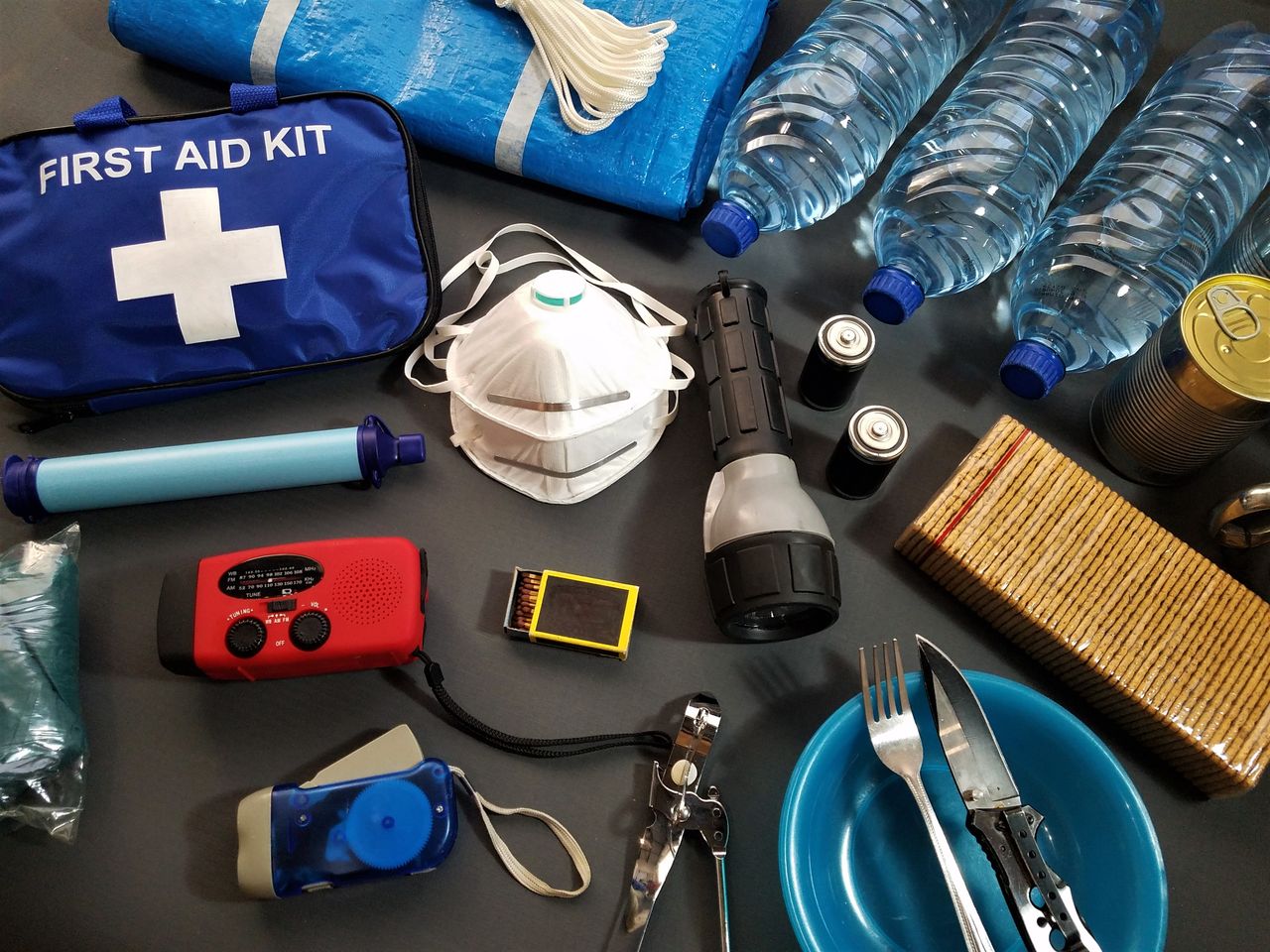
Photo by Roger Brown: https://www.pexels.com/photo/first-aid-and-surival-kits-5125690/