Modern defense manufacturing relies on intricate global supply chains, precision engineering, and rigorous compliance standards. However, a hidden operational friction point continually slows down production and creates vulnerabilities across the sector.
This challenge involves communication breakdowns, technical misinterpretations, and a persistent shortage of linguistic capabilities tailored specifically to industrial environments.
Understanding this dynamic is essential for defense manufacturers, contractors, and language service professionals aiming to strengthen national security supply chains.
The Industrial Linguistic Deficit
Defense manufacturing is rarely localized within a single community or language group. Small misalignments in translation cascade into major structural flaws when dealing with aerospace alloys, ordnance manufacturing, and naval engineering components.
Component fabrication, heavy assembly, and quality testing routinely involve multinational supply chains and diverse domestic workforces. When technical blueprints, safety protocols, and standard operating procedures exist in only one language, operational bottlenecks immediately follow.
Misinterpretations on the factory floor lead to wasted raw materials, delayed component deliveries, and safety violations. In high-stakes manufacturing, a single mistranslated metric or misunderstood tolerance level can derail an entire production schedule.
Translating industrial terms requires deep technical familiarity to ensure schematics and computer-aided design annotations are interpreted with absolute fidelity across shifts.
Comprehensive language integration also protects intellectual property, minimizes liability during joint technological development, and guarantees that compliance mandates are rigorously met across international borders.
Investing in professional language infrastructure eliminates guesswork, secures proprietary engineering data against misinterpretation, and ensures absolute alignment between international stakeholders during critical milestone reviews.
Supply Chain Vulnerabilities And International Collaboration
U.S. defense contractors frequently collaborate with international allies, joint-venture partners, and overseas component suppliers. Co-producing advanced defense equipment demands absolute clarity in technical specifications. When linguistic barriers emerge between engineering teams, misunderstandings affect quality control, compliance tracking, and delivery milestones.
When technical data packages move across international borders without proper localization, the risk of compliance infractions and security vulnerabilities multiplies exponentially, compromising both proprietary assets and cooperative strategic initiatives.
Delays in translating technical data packages create ripple effects through the entire defense acquisition lifecycle. Contractors must navigate strict export control regulations while bridging communication gaps with foreign partners.
Without structured language solutions, projects face chronic friction that impacts delivery timelines, regulatory approvals, and overall mission readiness. Establishing secure, standardized channels for data exchange mitigates these risks.
Specialized Professional Interpreting Solutions
Addressing these challenges requires moving far beyond informal translation methods or generic automated software tools. Industrial environments demand precise, context-aware linguistic support that understands engineering concepts. Professional interpreting and translation services customized for manufacturing ensure that technical manuals, compliance audits, and on-site consultations are executed without error.
For organizations seeking to bridge these structural divides, utilizing expert professional interpreting services helps streamline complex multilingual operations. Whether managing on-site supplier meetings or decoding intricate regulatory requirements, clear communication protects project integrity.
Contractors looking to integrate robust communication frameworks can explore SourceLingo to support secure and accurate institutional workflows. Comprehensive language integration also protects intellectual property and guarantees that compliance mandates are met across international borders.
Long-Term Resilience In Defense Production
Overcoming the language gap in defense manufacturing requires a deliberate, proactive strategy that treats linguistic readiness as a core pillar of supply chain security.
By identifying communication vulnerabilities early, investing in specialized technical translation, and partnering with certified language professionals, the defense sector can enhance operational efficiency, reduce compliance risks, and secure its industrial base for the future.
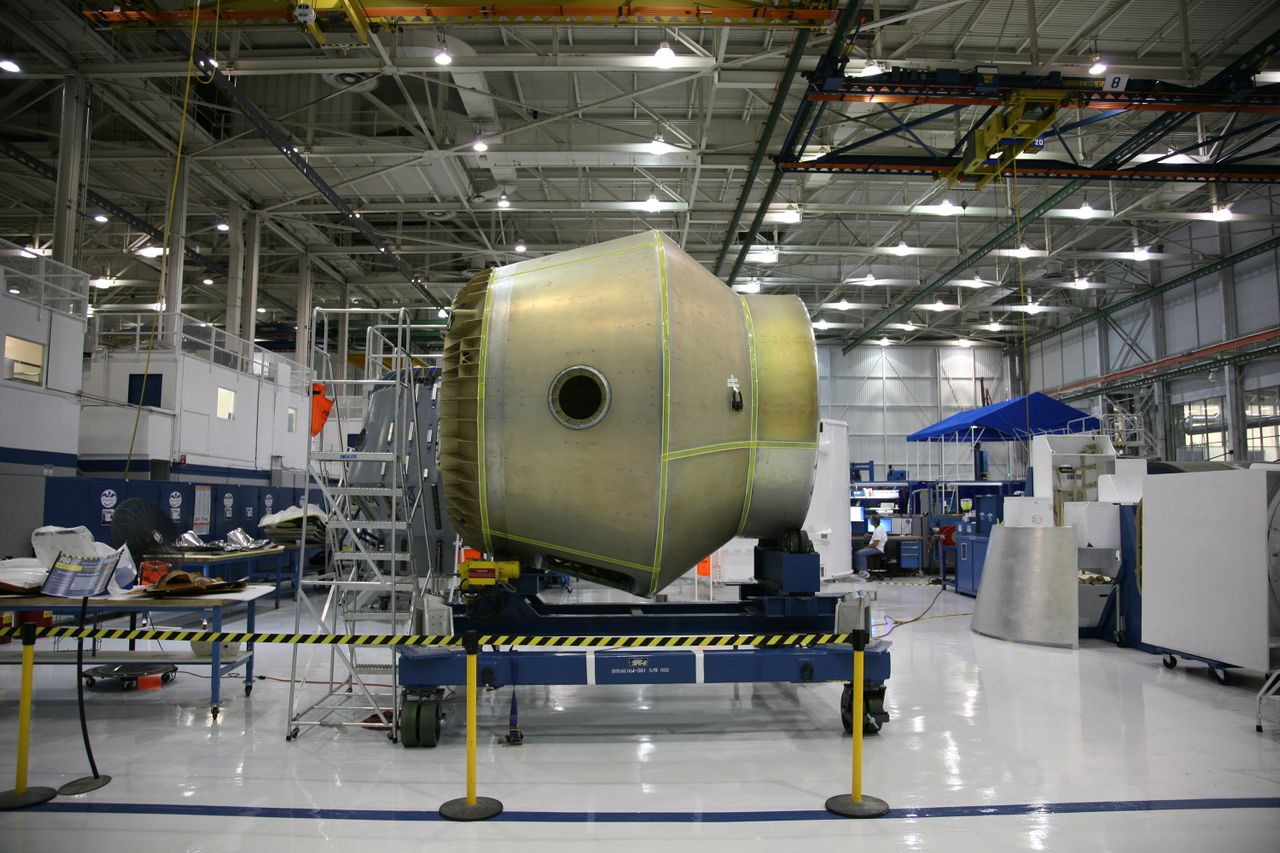
Photo by SpaceX